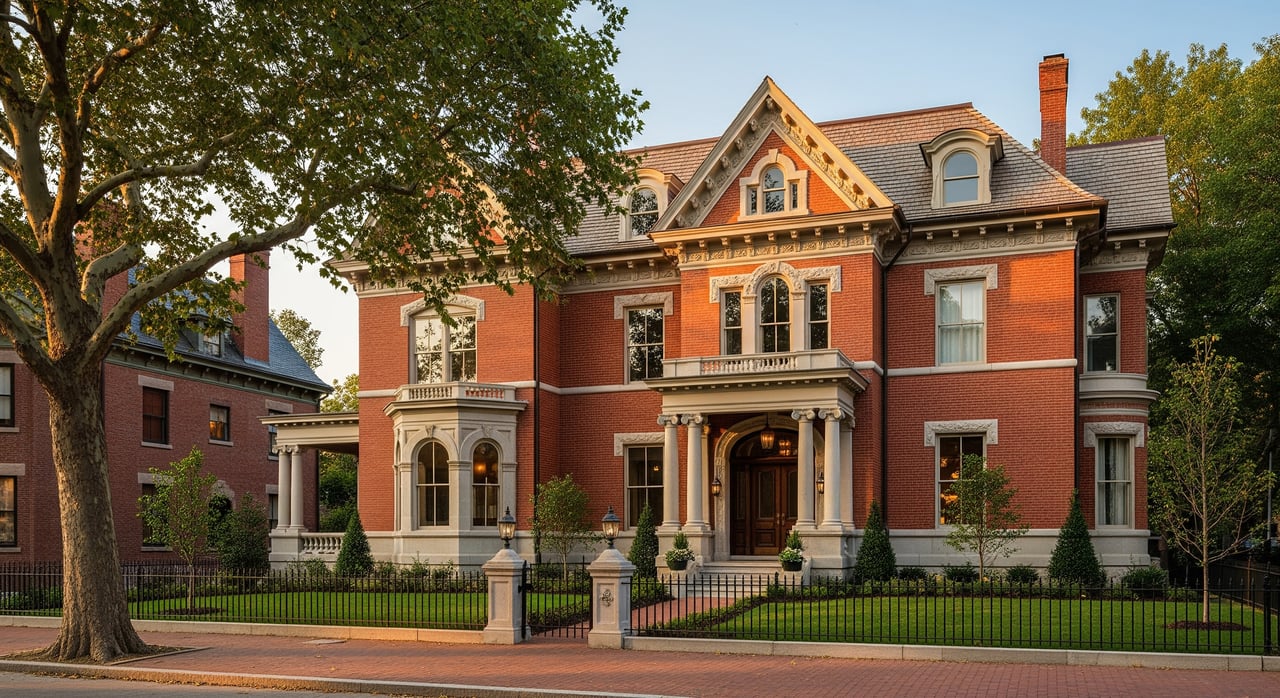
Owning In Naperville’s Historic District: Key Guidelines
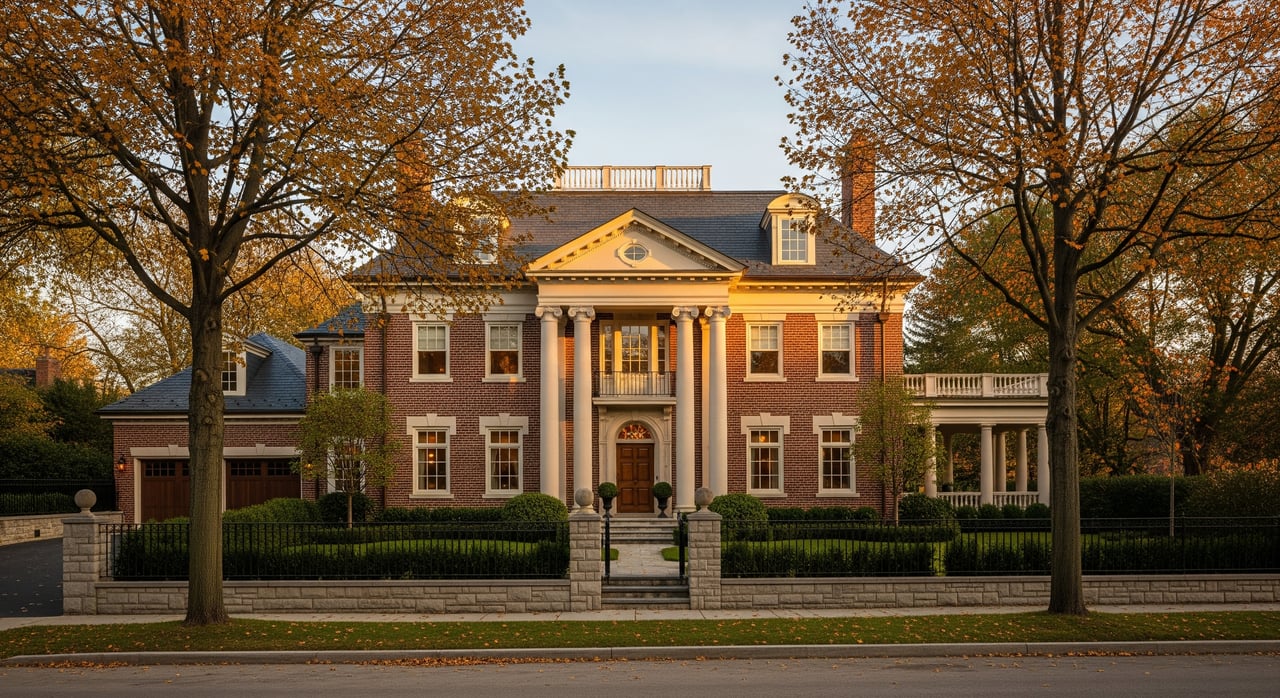
Love the character of a vintage Naperville home but unsure what you can actually change? You’re not alone. Buying or owning in a historic district comes with extra steps, yet it also offers lasting neighborhood value and timeless charm. In this guide, you’ll learn how Naperville’s preservation rules work, what projects require approval, how long reviews typically take, and practical ways to plan your purchase or renovation with confidence. Let’s dive in.
Naperville homes can be recognized at different levels. Some areas are listed on the National Register of Historic Places, while others are protected by local city ordinance, and some homes are individually landmarked. The difference matters to you because local designation is what usually triggers city review of exterior changes. National Register listing is more about recognition and can help with incentives for certain income-producing projects.
In most cases, the focus is on preserving what is visible from the public street. Interior work is typically not regulated by local historic rules for private residences. Because designations can vary by block or even by parcel, you should confirm whether a property is inside a local historic district, individually landmarked, or listed only on the National Register before you make an offer or start work.
Most cities require a Certificate of Appropriateness (COA) for exterior changes that can be seen from the public way. Expect review for items like:
Interior updates usually are not governed by historic-district rules for private homes. Separate from preservation review, you still need standard building, electrical, plumbing, or mechanical permits as required by code.
Every city structures the process a little differently, but most follow a similar path:
Pre-application conversation. Start with a quick consult with planning or historic preservation staff. Bring photos, a brief description of your goals, and any sketches or product information.
COA application. Submit a complete application with existing-condition photos, drawings or elevations, materials and finish details, and a clear scope of work.
Staff or commission review. Minor, like-for-like repairs may qualify for administrative approval. Larger changes and projects that affect character-defining features usually go to the Historic Preservation Commission (HPC) at a scheduled meeting.
Decision and next steps. The HPC may approve, approve with conditions, or deny. If denied, there is often an appeal route. After approval, you still apply for building permits.
Typical timing to plan for:
To keep your project on schedule, build extra time into your plans and, if you are buying with an improvement plan in mind, include a preservation approval contingency in your offer.
A COA is not the same as a building permit. After your preservation approval, you will still obtain any required building, electrical, plumbing, mechanical, or demolition permits. If your project needs zoning relief, that process will add time and can affect the overall schedule.
Demolition of contributing historic structures is usually subject to stricter review and can involve delays or additional hearings. If you are weighing demolition or a significant teardown, confirm the applicable demolition procedures before you proceed.
The guiding philosophy for historic homes is simple: retain and repair what gives the house its character. The widely used design principles are outlined in the Secretary of the Interior’s Standards for Rehabilitation. You can review those principles to understand how commissions evaluate proposals using the Standards for Rehabilitation.
Where feasible, repair original materials rather than replace them. If something is beyond repair, match the original in design, material, and finish so the facade reads as authentic.
Windows draw the most scrutiny because they define a home’s look. Plan to repair existing wood windows whenever possible. If replacement is justified, match the original profiles, muntin patterns, and exterior appearance. Full-frame replacements visible from the street typically require commission review.
Additions are more likely to be approved when they are placed at the rear or otherwise minimized from the street. Keep massing subordinate to the main house, match compatible materials, and respect typical setbacks.
Historic-appropriate materials like wood, brick, and lime-based mortar are preferred. Some modern materials may be acceptable if they closely match the historic look and are durable. Paint color policies vary by city; some color changes can be reviewed administratively.
Energy-efficient improvements are encouraged, but anything visible from the street needs thoughtful placement. Storm windows that preserve the profile of existing sash are often a good solution. Solar panels are more feasible when located on a rear slope or a plane not visible from the principal street. Confirm siting guidelines before you budget for panels.
If your home was built before 1978, assume there is lead-based paint. Renovation that disturbs painted surfaces typically triggers the EPA’s Renovation, Repair and Painting requirements. Learn what is required and hire certified pros by reviewing the EPA’s RRP lead-safe work practices.
Asbestos-containing materials may be present in older mechanical systems, insulation, or some siding and floor products. Testing and proper abatement may be needed before construction. Plan this into your schedule and budget.
Use this quick plan before you commit to a historic property:
Start with a staff consult to confirm what is approvable and what documentation you need.
Assemble your team early. A preservation-experienced architect or contractor will help you choose compliant details and prepare a complete COA package.
Submit a thorough application. Include clear photos, measured drawings, and exact materials, profiles, and finishes. This reduces revisions.
Coordinate permits and bids. Bid documents should reflect any expected conditions from the commission so contractors price the real scope.
Build a realistic calendar. Align contractor start dates with likely COA and permit timing.
Historic-district homes offer one-of-a-kind craftsmanship and streetscapes that hold their appeal over time. The review process can feel extra, but it exists to protect the very qualities that drew you to the neighborhood. With early planning, the right team, and a clear path to approvals, you can upgrade comfort and efficiency while preserving character.
You deserve a partner who blends legal precision with neighborhood stewardship. AFNR Homes pairs contract expertise with white-glove project coordination to help you verify designations, structure smart contingencies, align timelines with review calendars, and connect with preservation-savvy vendors. If you are considering a purchase or planning exterior work in Naperville’s historic district, let’s talk about a plan that protects your goals and the home’s character. Schedule a consultation with AFNR Homes.
AFNR Homes is committed to providing exceptional service and unmatched expertise in the real estate market. Whether you're purchasing, selling, or investing, AFNR Homes stands as your reliable partner for all your real estate requirements. Start working with them today!