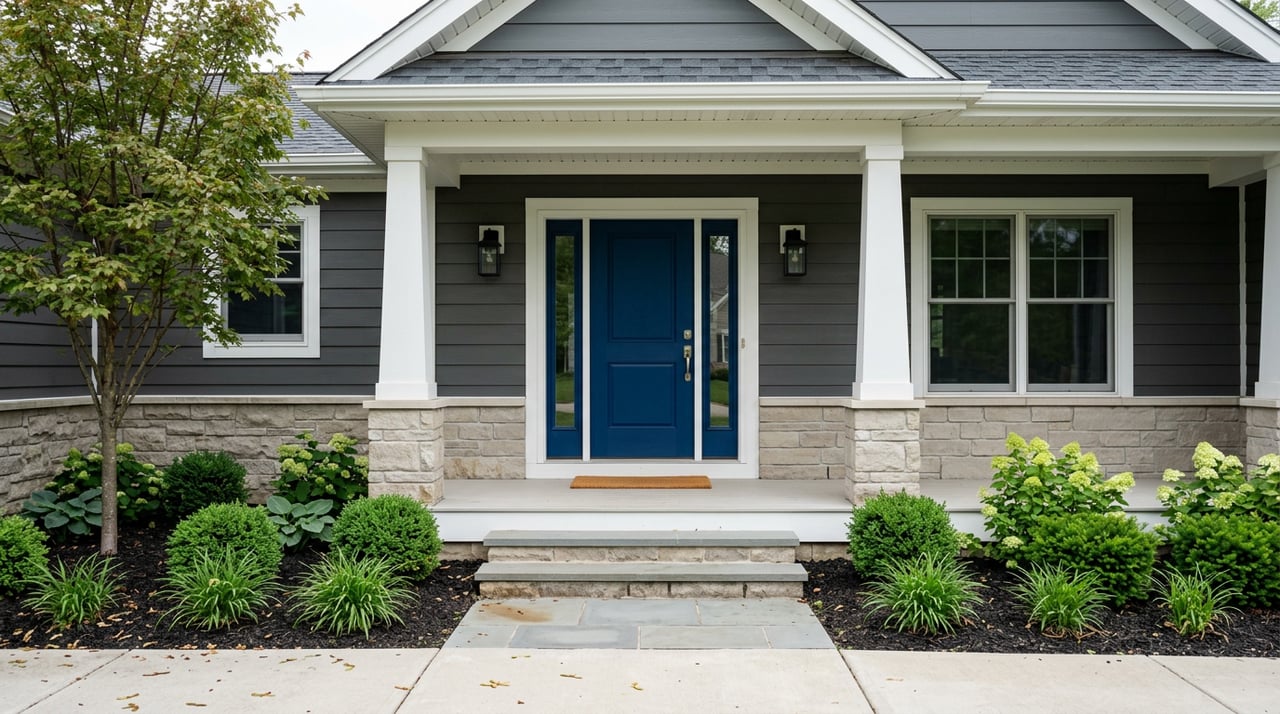
Why Naperville Attracts So Many Move-Up Homebuyers
Outgrowing your first home but not your love for quick commutes, great amenities, and strong long-term value? You’re not alone. Many Chicago-area owners are choosing to trade up in Naperville for more space, quality schools, and a vibrant, walkable lifestyle. In this guide, you’ll see why Naperville checks the move-up boxes, what the current market looks like, and how to plan a smooth transition. Let’s dive in.
Naperville offers the scale and stability of a large suburb with the charm of a true town center. With a population around 150,000 and a well-educated, high-income resident base, the city supports diverse housing options, strong services, and year-round programming that holds value for the long run. Census profiles for Naperville show higher-than-average median household income and education levels compared with the state.
For many move-up buyers, the appeal comes down to a simple equation: larger homes, established neighborhoods, and a downtown experience you actually use. You get the space you want without giving up community, dining, or access.
Recent market snapshots place Naperville’s median sale price around 600,000 dollars as of January 2026, with broadly steady year-over-year appreciation in the mid-2025 to early-2026 window. That pricing aligns well with buyers leveraging built-up equity from a starter home to step into larger single-family properties. Inventory remains tighter than demand in many segments, so planning and timing matter.
Expect pockets of competition, especially for updated homes in popular school-zone areas and near downtown. In this environment, thoughtful listing prep, strong presentation, and flexible move-up strategies can make the difference between winning the right home and waiting another season.
Naperville’s housing stock is dominated by single-family detached homes, giving you many options for more bedrooms, larger yards, and finished basements. Attached townhomes and multifamily buildings tend to cluster around transit and commercial corridors, so you can balance space with convenience based on your priorities.
A large share of homes were built or expanded in the 1980s and 1990s, with classic older properties near downtown and newer planned communities on the edges. That mix offers real choice: renovated charm close to restaurants and the Riverwalk, or late-model homes with open-concept layouts and larger lots.
Naperville’s lifestyle proposition is a big part of its long-term appeal. The Naperville Riverwalk weaves public art, paths, and gathering spots through the heart of downtown, making daily life feel active and connected. The park system spans thousands of acres, with robust programming documented in the Park District’s planning resources, supporting year-round activities and neighborhood engagement. Explore highlights in the Naperville Park District master planning materials.
K–12 performance is another consistent draw for move-up buyers. District results regularly outperform statewide averages, with recent reporting showing high percentile rankings within Illinois. See a snapshot of district-level metrics through local coverage of ISBE report card results. Always review the latest Illinois Report Card for specific campuses and current-year data.
Naperville’s cultural calendar adds depth beyond day-to-day amenities. Major community events, including long-running festivals and arts programming, help downtown stay lively throughout the year. Get a sense of the variety from this community events overview.
If you work in the city or along the suburban corridors, Naperville’s connectivity stands out. The primary Metra BNSF station offers frequent service to Chicago Union Station, with express options that reduce onboard time. Check schedules and station details on the Metra Naperville page.
Census data shows Naperville’s mean travel time to work in the low-30-minute range, reflecting a healthy mix of train and highway commutes across the region. See commute context in the CensusReporter city profile. Proximity to I‑88 and access to I‑355 also make it practical to reach west-suburban employment centers. Locally, healthcare, education, utilities, and corporate offices form a strong job base, with anchors like Edward Hospital playing a key role in the area’s economy. Learn more about the hospital’s scale in this employer profile reference.
What supports Naperville’s long-term value? Several fundamentals show staying power:
On the tradeoff side, factor in property taxes and carrying costs. Illinois tax burdens run above national averages, and bills vary by parcel and by county. Because Naperville spans DuPage and Will counties, confirm each property’s tax history and exemptions. This Naperville property tax guide is a helpful primer.
Inventory and rate dynamics can also create timing friction for move-up owners. You may be deciding whether to sell first, buy first, or coordinate both. Equity, bridge strategies, or flexible close dates can help you act decisively when the right home appears.
You can set yourself up for success with a clear, step-by-step approach:
When you are ready to act, a boutique, media-forward listing plan helps you compete on both sides of the transaction. Thoughtful storytelling, high-end presentation, and precise contract management reduce risk while helping you secure the home that fits your next chapter.
If you want more space without sacrificing lifestyle, Naperville delivers a compelling balance of value, access, and amenities. From downtown charm and the Riverwalk to strong commute options and a deep single-family market, it is easy to see why so many owners make their next move here.
For a tailored pricing read, neighborhood guidance, and a polished plan to prep your current home and win your next one, connect with AFNR Homes. Schedule a complimentary market consultation & bespoke listing plan.
AFNR Homes is committed to providing exceptional service and unmatched expertise in the real estate market. Whether you're purchasing, selling, or investing, AFNR Homes stands as your reliable partner for all your real estate requirements. Start working with them today!