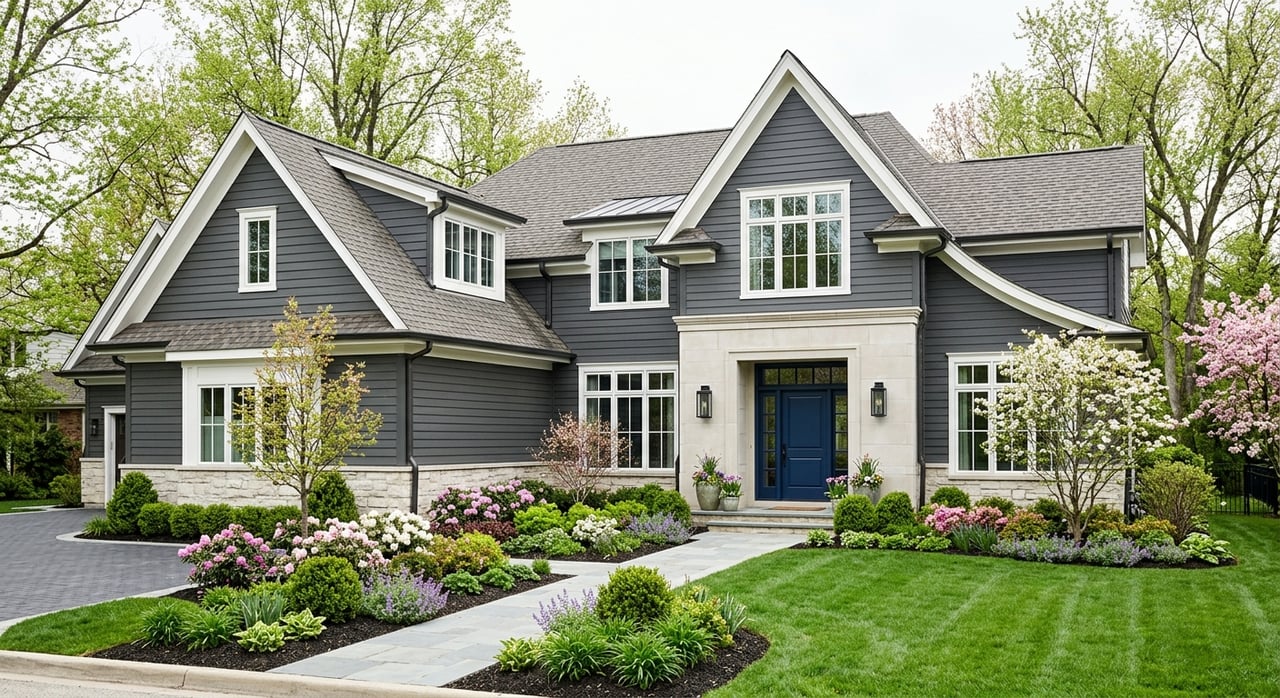
Hinsdale Or A Neighboring Suburb: How To Decide
Trying to choose between Hinsdale and a nearby suburb? You are not alone. Many buyers love this stretch of the western suburbs but get stuck on one big question: should you pay more for Hinsdale, or look to neighboring villages that offer a different balance of home prices, downtown energy, and commute convenience? This guide will help you compare the feel and fit of Hinsdale, Western Springs, Clarendon Hills, and La Grange so you can focus on what matters most to your daily life. Let’s dive in.
Hinsdale, Western Springs, Clarendon Hills, and La Grange all offer a strong village identity, established housing stock, and downtown areas that shape everyday routines. They also share commuter-rail access patterns that matter if you travel into Chicago or want a walkable town center as part of your lifestyle.
That means your decision usually is not about finding a “good” suburb versus a “bad” one. It is about deciding which mix of home scale, downtown activity, and transportation convenience fits you best.
Hinsdale carries the most premium profile of the group. The village describes itself as about 20 miles west of downtown Chicago, with natural beauty, hometown charm, and a historic downtown business community. A 2025 Choose DuPage overview lists 17,155 residents, a median household income of $250,001, a median house value of $999,100, and a 90.6% owner-occupancy rate.
Those numbers point to a market with strong pricing, a high rate of ownership, and a well-established residential base. The same overview places Hinsdale’s cost of living at 13.0% above the U.S. average, which reinforces its higher-end housing and lifestyle positioning.
Part of Hinsdale’s draw is its polished, historic downtown. It is a meaningful part of the lifestyle, not just a nice extra. If you want a village center that feels established and active, Hinsdale checks that box.
There is a tradeoff, though. In a 2023 village board item, the lower-level parking deck was reported at 100% weekday occupancy between 10 a.m. and 2 p.m., with about 30 spaces used by commuters. In practical terms, that means downtown convenience is real, but parking timing and commuter overlap can affect your routine.
Hinsdale may be the right fit if you want:
If those are your top priorities, the premium may feel worth it.
Western Springs offers a similar western-suburban feel, but often with a slightly softer price signal and a broader housing mix. The village’s community profile says the housing stock includes high-quality single-family detached and multi-family units, with values ranging from $500,000 to over $2,000,000.
That range can make Western Springs feel more flexible for buyers who want an established suburb without focusing only on the very top tier of pricing. The village also notes that residential fill-in construction, rehabilitation, additions, and demolitions have steadily improved or turned over the housing stock since the early 1990s.
Western Springs presents itself as a charming, vibrant downtown that stays sensitive to historic scale and character. The historic water tower at Tower Green sits in the center of downtown, reinforcing that classic village feel.
For many buyers, that combination creates an appealing middle ground. You still get an intimate town center and an established housing base, but the overall vibe can read as a touch more relaxed than Hinsdale.
Commute access is a plus, but it comes with some logistics. Western Springs offers permit parking along the tracks, a Wolf Road commuter lot, all-day metered spaces, and a waiting list for permits.
That does not mean commuting is difficult. It does mean you should think beyond “Is there a train?” and ask how station parking will work in your day-to-day life.
Western Springs may suit you if you want:
Its community profile reports 13,391 residents and a median housing value of $507,300, which places it in a high-end suburban bracket but below Hinsdale’s median value.
Clarendon Hills is the smallest and most compact of the four villages. A current Choose DuPage overview lists 8,642 residents, and the village describes itself as a well-established west-suburban community with a vibrant downtown served by Metra.
If you are looking for a smaller footprint and a strong village identity, that can be a real advantage. Some buyers prefer a place that feels tighter-knit and easier to navigate on a daily basis.
Clarendon Hills is also actively planning for its downtown future. In late 2025 and 2026, the village said it was creating a new Downtown Improvement Plan to guide future growth and development.
That matters if you like the idea of a compact village that is still thinking intentionally about its next chapter. It suggests a community focused on preserving function and identity while planning for change.
Clarendon Hills may be a strong fit if you want:
A 2026 overview places its cost of living at 17.2% above the U.S. average, which supports its premium positioning despite its smaller scale.
La Grange tends to read as the busiest and most active downtown hub in this comparison. The village says downtown is the heart of the community, with some buildings dating to the 1890s. It also notes that residents can shop, conduct business, visit a movie theater or library, and enjoy a meal within walking distance of nearby homes.
That description points to a downtown that functions as more than a neighborhood center. It feels like a true activity hub with a broad mix of daily uses.
Transit infrastructure is one of La Grange’s biggest strengths. The village says it has two Metra stations, Pace bus service, and nearly 5,000 daily riders using Metra commuter rail.
Compared with smaller villages, that creates a deeper transportation network and a busier downtown rhythm. If you want strong walkability and clear transit options, La Grange deserves a close look.
La Grange also comes across as more mixed in pricing. Its area demographics page lists a median household income of $125,965, a median home value of $501,700, and a median rent of $1,183 using 2015 to 2019 ACS estimates.
Relative to Hinsdale’s near-$1 million median house value, La Grange appears more accessible while still offering a historic setting and an active town center. The village also notes that older sections contain homes from the late 19th and early 20th centuries, while neighborhoods are also opening to new housing types.
La Grange may be right for you if you want:
If you are still torn, start by thinking less about reputation and more about routine. Where will you spend time during a normal week? How important is it to walk to dining or errands? How much does station parking matter if you commute?
Then look at your housing priorities honestly. If your focus is a classic luxury-suburb profile and premium legacy-home positioning, Hinsdale stands apart. If you want a similar general region with a different price relationship or downtown rhythm, Western Springs, Clarendon Hills, or La Grange may fit better.
Use this quick framework as a starting point:
The right answer depends on how you want your home, your commute, and your town center to work together.
There is no universal winner in this comparison. Each village offers a different version of western-suburban living, and the right fit comes down to your priorities around price, housing style, downtown energy, and daily convenience.
That is why local guidance matters. When you compare these communities through the lens of your actual goals, the decision usually becomes much clearer.
If you are weighing Hinsdale against Western Springs, Clarendon Hills, La Grange, or another nearby suburb, AFNR Homes can help you compare your options with local insight and a high-touch, tailored approach.
AFNR Homes is committed to providing exceptional service and unmatched expertise in the real estate market. Whether you're purchasing, selling, or investing, AFNR Homes stands as your reliable partner for all your real estate requirements. Start working with them today!