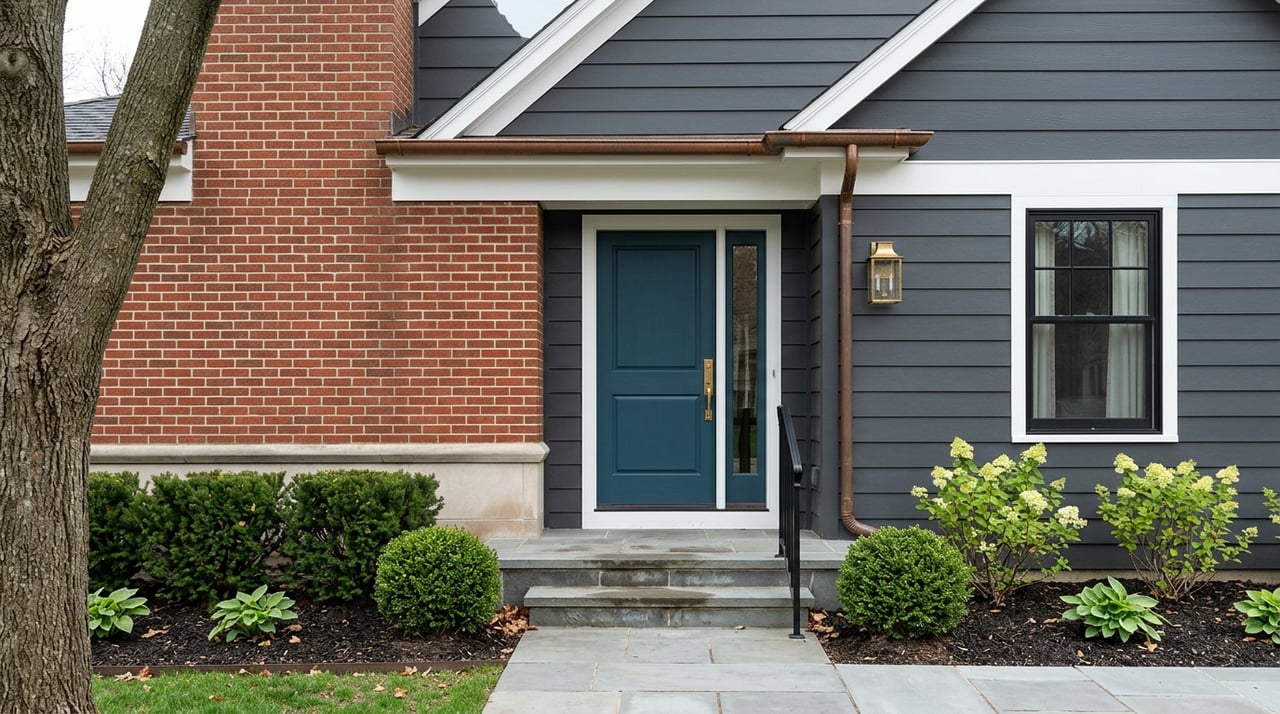
Vintage Charm Or New Build In Elmhurst?
Are you drawn to original details and established blocks, or do you want a home designed around how you live today? In Elmhurst, that choice is not just about style. It is also about lot rules, remodeling flexibility, and how a home fits into a built-out community with deep architectural roots. If you are weighing vintage charm against new construction in Elmhurst, this guide will help you compare the real tradeoffs and focus on what matters most. Let’s dive in.
Elmhurst is not a brand-new suburb with large tracts of undeveloped land. It is a mature community with limited open space and ongoing redevelopment pressure, which means most new construction happens as infill or rebuild activity on existing parcels.
That context shapes almost every home search. According to CMAP community data, Elmhurst has 17,753 housing units and a median year built of 1966. Roughly 70% of the housing stock was built before 1990, so older homes are not the exception here. They are a major part of the market.
Single-family detached homes make up 72.0% of Elmhurst’s housing stock. Only 11.2% of homes were built in 2010 or later, which helps explain why buyers often find themselves comparing a character-filled older home with a newer rebuild on a legacy lot.
In Elmhurst, “vintage” usually means more than age. It often points to homes with distinctive architecture, established streetscapes, and a stronger sense of neighborhood context.
Elmhurst has unusual architectural depth for a suburb. The Elmhurst Art Museum describes the city as architecturally rich and notes that Elmhurst is the only city with houses by both Frank Lloyd Wright and Mies van der Rohe. Its architectural story also includes names like Walter Burley Griffin, R. Harold Zook, and Dirk Lohan.
That does not mean every older home is historically designated. Elmhurst’s historic preservation code looks at age, integrity, and significance, not age alone. A home can feel vintage and still not be a landmark or part of a historic district.
Older homes in Elmhurst often appeal to buyers who value details you may not find in newer construction. Depending on the property, that could include:
For many buyers, that sense of place is a big part of the appeal. In a built-out community like Elmhurst, the home and the block often matter together.
If you are considering updates, the first question is not just what you want to change. It is whether the property has any historic designation and whether the work affects the exterior.
Elmhurst requires a certificate of appropriateness before permits for designated landmarks or certain major exterior changes. So if you are buying an older home with plans to renovate, you will want to understand that status early in the process.
There is also a practical maintenance issue common to older homes. The EPA notes that homes built before 1978 may contain lead-based paint, and renovation, repair, or painting work that disturbs it should follow lead-safe practices.
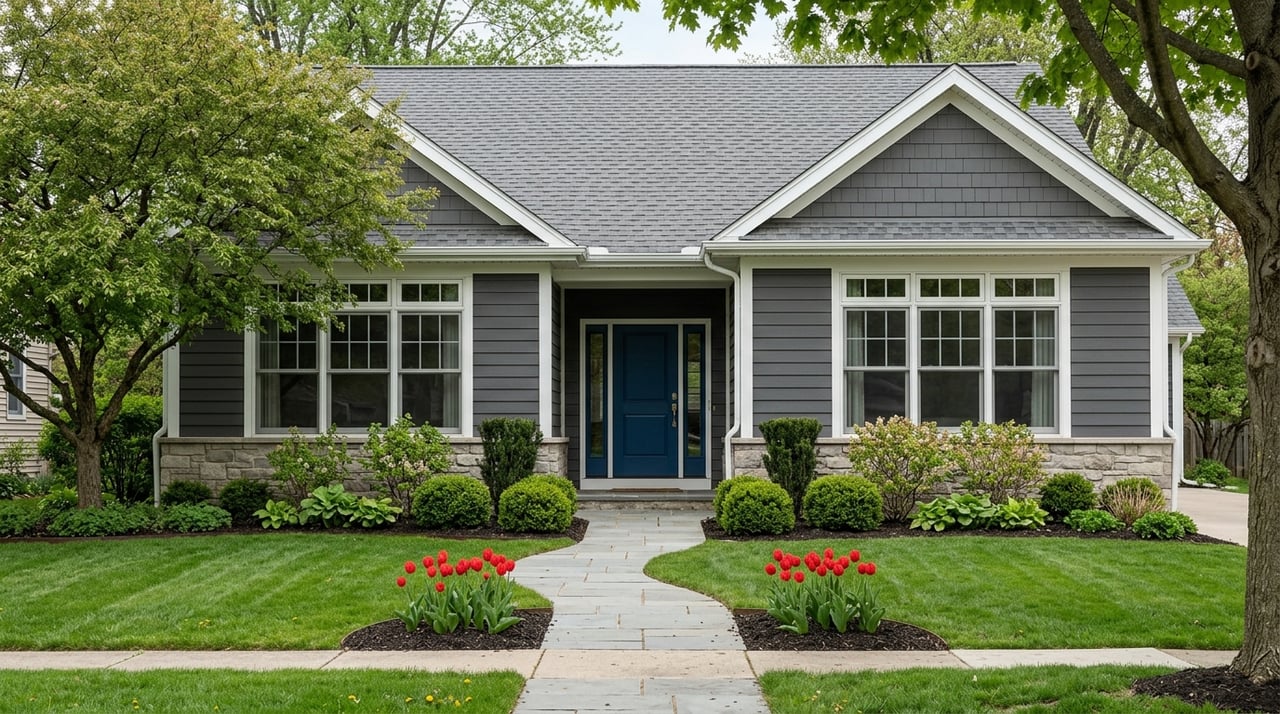
New construction in Elmhurst usually does not mean a large new subdivision at the edge of town. More often, it means a newer home created through infill development or a rebuild on an existing lot.
That distinction matters because the lot still carries real constraints. Elmhurst’s subdivision and zoning rules shape what can be built, how much of the lot can be covered, and how the home sits on the parcel.
The city’s zoning framework helps explain the pattern. R1 is described as the newer large-lot single-family district, with a minimum lot size of 9,000 square feet and 60 feet of frontage. R2 is the city’s most common residential district and is designed for existing single-family neighborhoods with smaller recorded lots than RE and R1.
Even when a home is newly built, it still has to fit Elmhurst’s existing lot pattern. Residential lots generally need a minimum depth of 125 feet, and the R1 district limits lot coverage to 30% while also applying front, side, and rear yard requirements.
In plain terms, a newer home in Elmhurst still has to respond to the site. It is not just about what the builder wants to create. It is also about frontage, depth, setbacks, and neighborhood form.
That is one reason block-to-block variation can be significant. Elmhurst also has R3 areas that create duplex pockets near commercial corridors and serve as buffers between busier streets and single-family neighborhoods.
A newer home may appeal to you if you want a more current layout or a home designed around modern daily living. In Elmhurst, buyers often look to new builds for:
The key is remembering that “new” does not automatically mean unlimited flexibility. In Elmhurst, even a newly built house is shaped by the lot it sits on.
The vintage-versus-new question can sound emotional, but the best decision is usually more practical. Once you look past curb appeal, the real comparison comes down to character, constraints, and your renovation goals.
Here is a simple side-by-side view:
| Factor | Vintage Home | New Build |
|---|---|---|
| Typical appeal | Architectural character and established context | Modern layout and newer construction |
| Elmhurst setting | Often on older blocks in long-established neighborhoods | Usually infill or rebuild on an existing parcel |
| Historic review | Possible if designated as a landmark or in a historic district | Less likely tied to historic review, depending on property context |
| Renovation planning | May require added review and lead-safe practices in pre-1978 homes | Often fewer immediate update concerns |
| Lot impact | Existing lot geometry still matters | Lot geometry and zoning are central to what could be built |
In Elmhurst, lot geometry can matter as much as the year a house was built. That is one of the most important takeaways for buyers.
Before you decide that you are a vintage-home person or a new-build person, compare the lot itself. Frontage, depth, lot coverage, and preservation status can affect your options more than the listing description does.
When you are evaluating a home in Elmhurst, start with these questions:
These questions help you move from general preference to a more informed decision. In Elmhurst, that is often where the smartest buying strategy begins.
If you love homes with history, texture, and architectural personality, a vintage home may feel like the better fit. You may be comfortable taking on careful updates in exchange for a stronger sense of character and place.
If you want a layout that feels more current from day one, a newer build may make more sense. You can still enjoy Elmhurst’s established setting while choosing a home that reflects more recent design and construction.
For many buyers, the right answer is not one category or the other. It is the property that balances your lifestyle, your renovation appetite, and the realities of the lot.
In a market like Elmhurst, that kind of clarity matters. The best opportunities are often the homes where style, site, and long-term plans line up well.
If you are sorting through older homes, rebuilds, or off-market possibilities in Elmhurst, working with a team that understands both neighborhood context and property-level detail can make the process much clearer. AFNR Homes offers a high-touch, informed approach to buying and selling across DuPage County’s established suburban markets.
AFNR Homes is committed to providing exceptional service and unmatched expertise in the real estate market. Whether you're purchasing, selling, or investing, AFNR Homes stands as your reliable partner for all your real estate requirements. Start working with them today!