Moving From Chicago To La Grange: Local Insights
Thinking about trading Chicago’s fast pace for a village-style suburb with a real downtown and a direct rail line back to the city? If La Grange is on your shortlist, you are probably weighing lifestyle, commute, home prices, and whether the day-to-day feel will match what you want next. This guide walks you through the local details that matter most so you can move with more clarity and confidence. Let’s dive in.
La Grange is about 13 miles west of downtown Chicago, but the lifestyle shift can feel bigger than the mileage suggests. The village covers roughly 2.5 square miles and has a population of 16,321, which gives it a more compact, community-centered feel than many farther-out suburbs. According to the Village of La Grange, its layout and transit access support both walkability and convenience.
That difference shows up in daily life. Instead of revolving around large commercial corridors, La Grange is centered on a traditional downtown. The village describes downtown as the heart of the community, with homes near shops, restaurants, a movie theater, and a library, all within a walkable setting, as outlined on its historic downtown page.
For many Chicago buyers, this is the main tradeoff in a good way. You may give up some of the density and constant motion of city living, but you gain a more village-centered routine, easier parking, and a residential setting that still feels connected.
If you still need regular access to the city, the BNSF Metra line is one of La Grange’s biggest practical advantages. Metra’s LaGrange Road station page lists the station as Zone 3 with ADA accessibility, 412 parking spaces, and Pace connections through Routes 302 and 330. That makes commuting more flexible whether you rely fully on transit or combine driving and rail.
The village also notes that downtown sits at the crossroads of La Grange Road, Ogden Avenue, and the Burlington Northern Santa Fe Railway. More than 50,000 vehicles, commuters, and pedestrians move through the area daily, according to the village and Metra information in the research provided. In simple terms, La Grange is busy where it needs to be, but still organized around a smaller-scale downtown experience.
If you drive often, the road network is another plus. The village identifies Illinois Routes 12, 20, and 45, Route 34, and interstates I-290, I-55, and I-294 as major connections. The same village information also says O’Hare and Midway are each less than a 30-minute drive away, which can be especially appealing if your work or family life includes regular air travel.
For buyers still living in Chicago, weekend scouting matters. Metra announced expanded BNSF weekend service in 2025, with hourly inbound and hourly outbound service during the weekend window. That makes it easier to visit La Grange multiple times before making a decision.
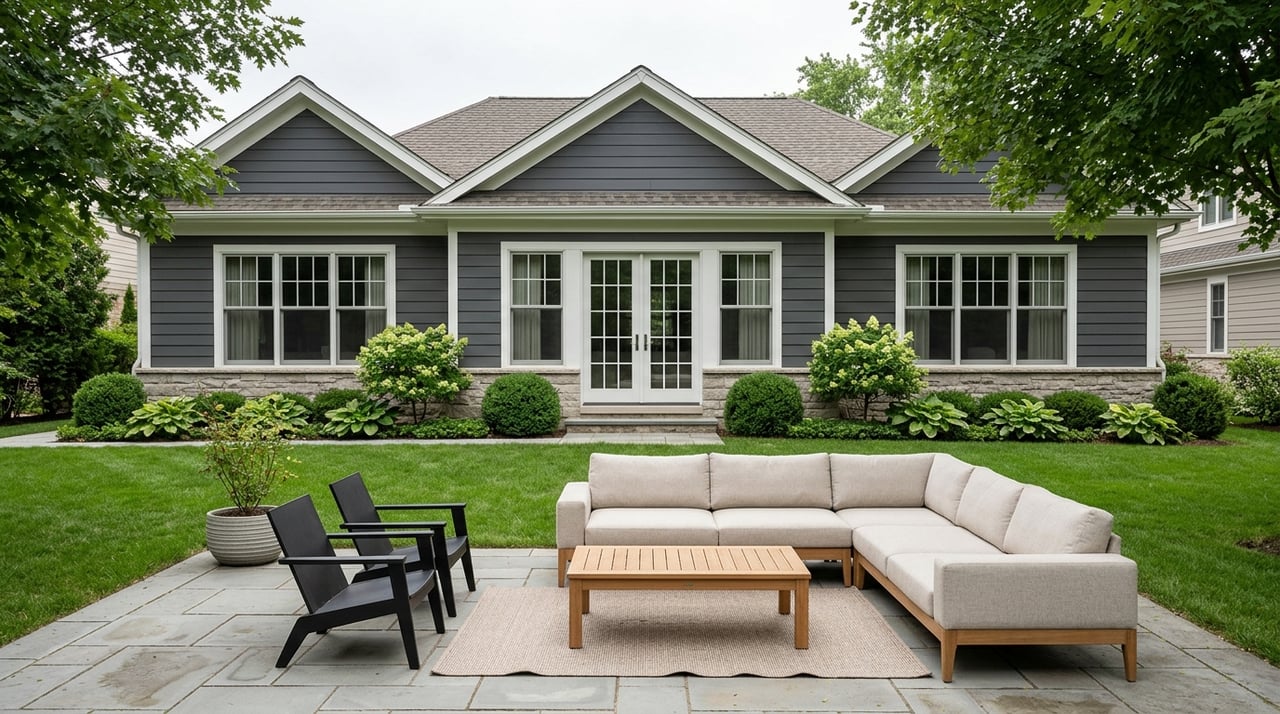
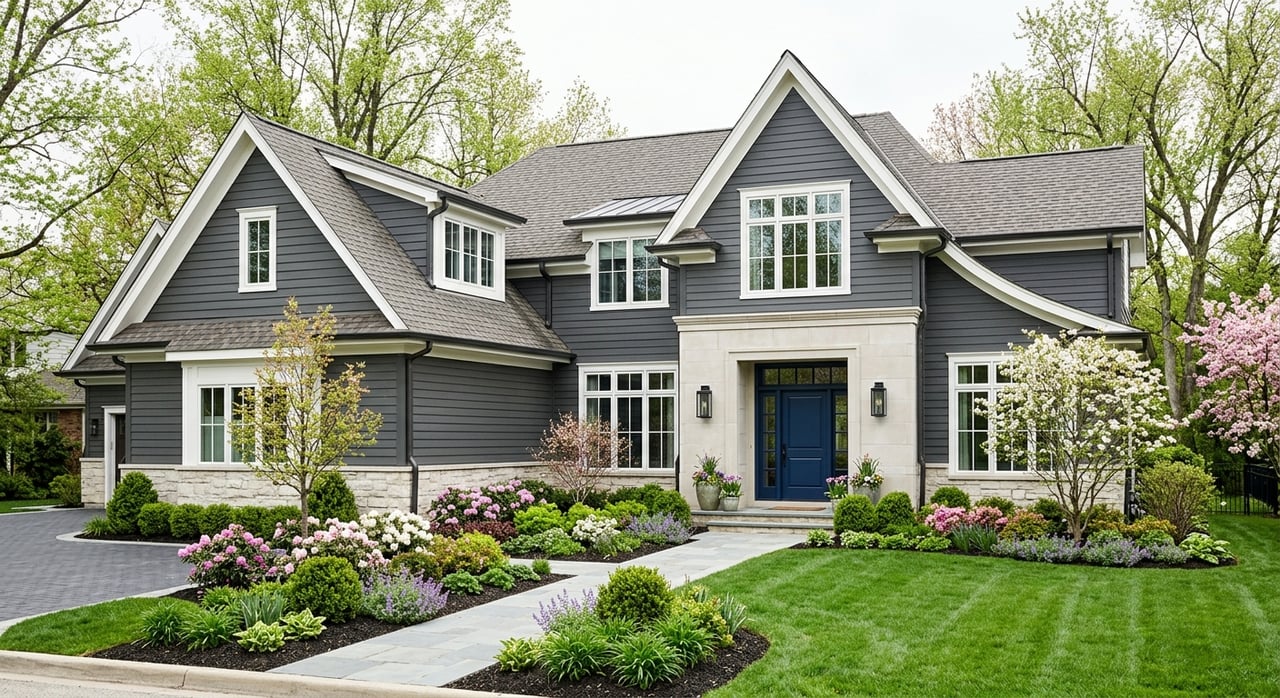
One of La Grange’s biggest draws is its housing character. In older parts of town, the village’s Historic District page notes that homes date to the late 19th and early 20th centuries. The area includes a wide mix of architectural styles, including Victorian, Queen Anne, bungalow, Prairie, American Foursquare, Italianate, and revival-era homes.
If you are moving from a Chicago condo, apartment, or narrower city lot, this variety can be a major change. You may find homes with more architectural detail, deeper residential character, and a stronger sense of historic identity. The district’s placement on the National Register of Historic Places in 1979 adds to that long-standing appeal.
Pricing, however, needs context. The research shows that city-level and ZIP-level data can look very different depending on the source and sample size. Redfin’s February 2026 city snapshot reported a median sale price of $925,000, while Realtor.com’s 60525 ZIP overview showed a median sale price of $449,450. Those figures are not directly interchangeable, so the smartest approach is to treat them as broad indicators rather than precise pricing benchmarks.
The clearest takeaway is that your budget should be built around the actual type of home you want. Census QuickFacts for La Grange lists the median value of owner-occupied homes at $594,300. Based on that figure, a 20% down payment would be about $118,860.
The same research notes median monthly owner costs of $3,622 for households with a mortgage and $1,258 for households without one. Those numbers are useful as a planning reference, but they are still only broad averages. If you are moving from Chicago, it helps to compare your current monthly housing cost with the likely payment range for the exact style, condition, and location you want in La Grange.
La Grange often appeals to buyers who want activity without full urban density. The village describes downtown as the central retail district and notes that it has more than 1,300 public parking spaces, along with specialty boutiques, coffee shops, restaurants, and wide sidewalks across downtown and the West End. You can explore more through the village’s business district overview and its community highlights page.
That mix shapes the everyday rhythm. You can run errands, meet friends, grab coffee, or spend part of a weekend downtown without feeling like every outing requires a long drive. For many former city residents, that balance is exactly the appeal.
La Grange also has a steady calendar of community events. The village highlights the Pet Parade, Craft Show, Endless Summerfest, West End Art Festival, Halloween Walk, and Holiday Walk. These events can give you a more realistic feel for how active and walkable the village feels when residents and visitors are out in full force.
If schools are part of your move, it is important not to assume a single district covers all of La Grange. The village’s schools page says local public-school options can include District 102, District 105, District 106, and Lyons Township High School District 204. As the village notes, buyers should verify school assignment by specific address.
That is a key detail during your search. Two homes in the same general area may not share the same school assignment pattern. If this factor matters in your decision-making, build address verification into your process early.
A good move decision is usually made on the ground, not just online. If you are considering moving from Chicago to La Grange, a focused scouting weekend can tell you a lot about whether the fit is right.
Here is a practical checklist based on the local research:
This kind of visit helps you experience the difference between a place that looks good on paper and one that actually works for your lifestyle.
The village’s safety guidance notes school-zone patrols, a 20 mph school-zone speed limit, and heavier traffic around schools, parks, and downtown. That does not mean the area is difficult to navigate, but it does mean timing matters. If your schedule will regularly overlap with pickup, drop-off, or commuter windows, it is worth seeing that firsthand.
Timing can matter if you are trying to buy in La Grange while also selling in Chicago or another suburb. The research report describes La Grange as a very competitive market, with homes averaging about 1% above list price and going pending in around 53 days. That kind of pace can put pressure on buyers who are still sorting out financing, home sale timing, or relocation logistics.
This is where preparation helps. If La Grange is your target, it is smart to get clear on your budget range, preferred housing style, and non-negotiables before you begin touring seriously. A tighter market rewards buyers who know what they want and can act decisively when the right home appears.
For many buyers, the answer comes down to priorities. If you want more residential character, a traditional downtown, easier parking, and direct commuter rail access, La Grange offers a compelling combination. If you want the constant density, late-night energy, and hyper-urban pace of Chicago, the adjustment may feel more noticeable.
In other words, La Grange is not trying to be Chicago. Its appeal is that it offers a different rhythm while keeping a strong connection to the city. For the right buyer, that balance is exactly what makes the move worthwhile.
If you are planning a move and want thoughtful guidance on timing, home search strategy, or how to position your current property for the next step, AFNR Homes offers a high-touch, tailored approach designed to make complex moves feel clear and well managed.

AFNR Homes is committed to providing exceptional service and unmatched expertise in the real estate market. Whether you're purchasing, selling, or investing, AFNR Homes stands as your reliable partner for all your real estate requirements. Start working with them today!