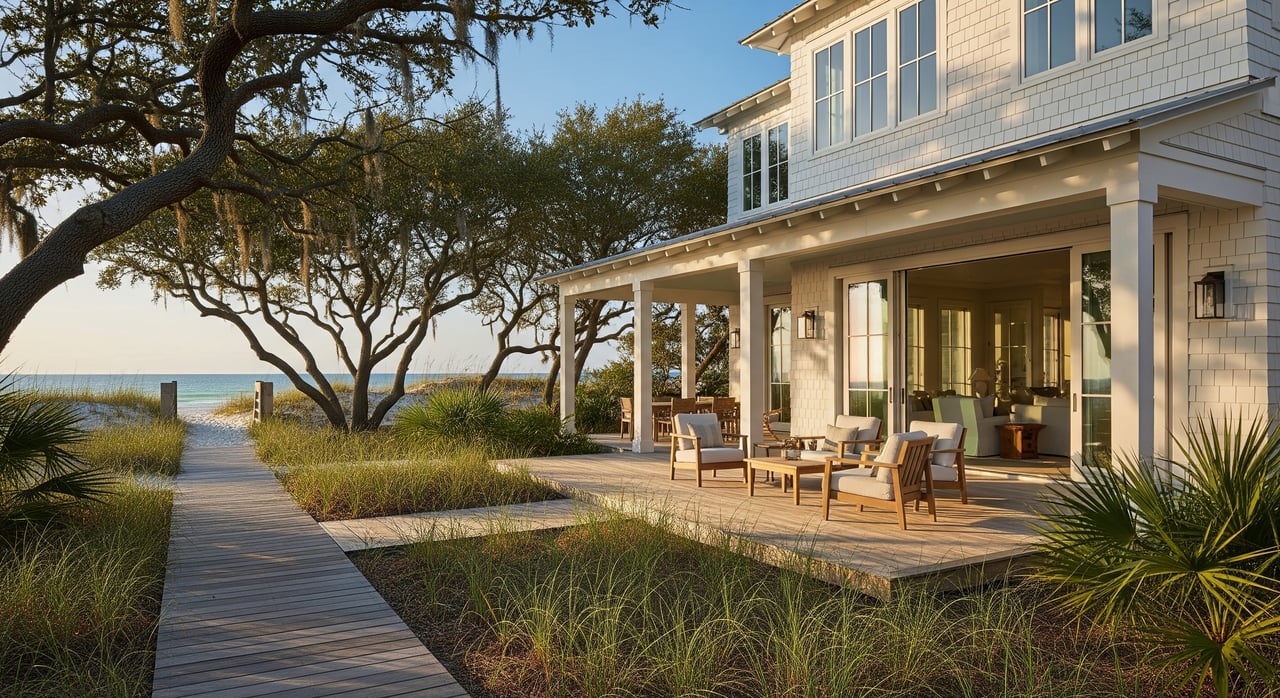
Dreaming of trading Chicago snow for emerald water weekends on 30A? You are not alone. Many Chicago-area owners are eyeing a second home along the Walton County coast for personal escapes and possible rental income. In this guide, you will learn the process, timeline, costs, seasonal patterns, and rental rules to make a smart purchase in ZIP 32459. Let’s dive in.
Why 30A works for Chicago owners
You can reach the 30A corridor by flying into Northwest Florida Beaches International Airport (ECP) or Destin–Fort Walton Beach Airport (VPS). Both offer seasonal service from Chicago, and the drive to most 30A communities takes about 30 to 90 minutes. Peak visitation typically arrives in spring and summer, with strong shoulder seasons in March to May and September to October. Winters are quieter yet still mild, which can be ideal for owners who prefer less crowded stays.
Choose your use: second home or rental
Before you shop, decide how you plan to use the property. A pure second home that you occupy part time is different from a short-term rental that you market regularly. Lenders classify these uses differently, which affects down payment, reserves, and interest rates. HOA and condo rules also vary by community and can limit or structure rentals.
What this choice changes
- Financing terms and required reserves
- Insurance needs, including loss of rental income coverage if renting
- Registration and tax obligations for short-term rentals
- HOA compliance and allowed rental durations
Purchase steps and timeline
The Florida purchase process will feel familiar but has local specifics. Title companies typically handle closings, and an attorney is not required, although some buyers still use one for guidance. From contract to close, 30 to 45 days is common for financed purchases. Cash buyers can often close faster.
Your step-by-step overview
- Pre-approval and planning
- Get pre-approved with a lender experienced in Florida second homes and investments.
- Decide on second home versus short-term rental use before you apply.
- Search and offer
- Expect seasonal competition for desirable listings.
- Include inspection, appraisal, and financing contingencies as needed.
- Earnest money and escrow
- Funds are typically held by a title company or brokerage.
- Inspections and due diligence
- Order a general home inspection plus wind-mitigation and termite/WDO inspections.
- Confirm flood zone status, request any elevation certificate, and evaluate roof and septic or sewer.
- Appraisal and underwriting
- Provide documents quickly to keep the 30 to 45 day timeline on track.
- Closing logistics
- Coordinate with the title/escrow company for remote signing and funding if you are not in Florida.
Financing basics to know
Conventional loans are common for second homes, while FHA loans are generally for primary residences. Second-home loans often carry higher down payments and slightly higher rates than primary homes. If you plan regular short-term rentals, many lenders treat the property as an investment, which usually means larger down payments and additional reserves. Ask lenders for clear terms on reserves and rate differences, and compare options.
The true cost of ownership
Owning on 30A involves typical costs plus coastal-specific items. Budget across taxes, insurance, HOA dues, maintenance, utilities, and any rental management fees.
Property taxes and rental taxes
- Florida homestead benefits do not apply to second homes, so you will pay the non-homestead rate in Walton County.
- If you rent short term, you must register to collect and remit state and local transient rental taxes. Sales tax and local surtaxes can apply to the rent you collect.
Insurance and flood planning
- Windstorm and hurricane coverage are central on the coast. A wind-mitigation inspection can help identify features that may reduce premiums.
- Flood insurance is typically required if your property is in a FEMA flood zone and you have a federally regulated mortgage. Many 30A properties are in AE or VE zones, so check maps and request elevation certificates when available.
- Private insurers and Citizens Property Insurance operate in Florida. Work with local brokers who understand coastal underwriting, deductibles, and ordinance and law coverage.
HOA and resort fees
Many 30A communities have HOAs or condo associations. Master-planned resort communities often carry higher dues and stricter architectural and rental guidelines. Older beach neighborhoods may have lower fees and fewer shared amenities. Always review governing documents, rental rules, budgets, and special assessment history before you commit.
Maintenance in a coastal climate
Salt air and humidity accelerate wear. Expect more frequent exterior painting or staining, deck and boardwalk upkeep, HVAC servicing, and roof inspections. Plan for proactive pest control and mold prevention. Many owners budget a percentage of the property’s value each year for maintenance, with coastal homes often on the higher end, and then refine with local contractor estimates.
Utilities and services
Electric, water and sewer, trash, and internet are widely available. Usage often spikes in peak season due to AC demand and occupancy. If you rent, factor in housekeeping, linen service, and professional property management fees.
Short-term rental landscape by town
Short-term rental viability varies by community and by HOA rules. Verify all current county and community regulations before you buy.
Alys Beach
- Architecturally distinctive and luxury focused.
- Expect strict architectural and community standards, high demand from luxury travelers, and higher entry prices and dues.
Rosemary Beach
- Upscale, walkable village with shops and dining.
- Consistent demand and historically strong average daily rates; rental operations often follow strict design and management expectations.
Seaside
- Iconic, pedestrian-oriented, and widely recognized.
- Highly desirable for vacationers; rental eligibility depends on community rules and any HOA limitations.
WaterColor and WaterSound
- Resort-style communities with family-friendly amenities.
- Rentals may be managed through resort-approved programs or vetted managers; rules can shape how rentals operate.
Grayton Beach and historic areas
- Eclectic with older cottages and access to natural surroundings.
- Strong seasonal demand; some homes may need updates to meet modern rental standards. Verify zoning and any neighborhood rules.
Seagrove, Santa Rosa Beach, Inlet Beach, Dune Allen
- Diverse mix of single-family homes and condos at varied price points.
- Proximity to beach access, local amenities, and community character drives pricing and occupancy.
Travel and seasonality tips
- Peak demand typically runs spring through summer, including spring break and Memorial Day to Labor Day. Shoulder seasons in spring and fall see strong booking windows for weekly stays and events.
- Plan personal stays early if you intend to rent during peak weeks. If rental income is a goal, align your calendar and pricing with local demand patterns.
Due diligence checklist
Use this quick checklist to stay organized and reduce surprises.
- Financing
- Get pre-approved with a lender experienced in Florida second homes and investments.
- Confirm reserves and rate differences for second home versus investment classification.
- Title and closing
- Select a local title company comfortable with remote closings.
- Confirm wire instructions and document timelines.
- Inspections and surveys
- Order general, wind-mitigation, termite/WDO, and roof inspections.
- Request an elevation certificate and confirm flood zone status.
- Insurance
- Obtain quotes early for homeowners, wind/hurricane, and flood policies.
- Verify deductibles and eligibility for mitigation credits.
- HOA and rental rules
- Review full governing documents, budgets, meeting minutes, and rental restrictions.
- Check for pending or recent special assessments.
- Zoning and registration
- Confirm local short-term rental permits and tax registration needs.
- Rental validation
- Review historical performance if available and consult local managers on ADR and occupancy norms.
- Maintenance plan
- Identify trusted local contractors and a licensed property manager if renting.
- Tax planning
- Consult a CPA familiar with multi-state ownership for federal and Illinois reporting and depreciation.
- Storm preparedness
- Create a property-specific plan for hurricane season including vendor contacts and claims steps.
How AFNR helps Chicago buyers
Buying out of state is easier when your team coordinates the moving parts. AFNR can introduce you to lenders who understand Florida coastal loans, then track underwriting to keep your closing on schedule. We collaborate with local title companies on remote closings and collect inspections, surveys, and seller disclosures on your behalf.
We also connect you with wind-mitigation, termite, and general inspectors, plus insurance brokers who work daily with wind and flood coverage. For HOA and condo properties, we gather governing documents and, when needed, coordinate attorney or title counsel to clarify rental caps and assessments. If you plan to rent, we introduce trusted property managers who can share projected income ranges, housekeeping programs, and guest services. You still choose and verify your vendors. We simply make the process smoother from the Chicago suburbs to the 30A shoreline.
Ready to explore a second home on 30A with a clear plan and trusted support? Reach out to AFNR Homes to schedule a complimentary market consultation and bespoke plan for your goals.
FAQs
Do Chicago owners need flood insurance on 30A?
- If your property is in a FEMA flood zone and you have a federally regulated mortgage, flood insurance is typically required. It is also commonly recommended for low-lying coastal areas even when not required.
How are short-term rentals taxed in Walton County, Florida?
- Short-term rentals generally require registration to collect and remit state sales tax and local transient rental taxes. Confirm current rates and filing rules before you accept bookings.
What is a typical closing timeline for a financed 30A home?
- Many financed purchases close in about 30 to 45 days from contract, assuming timely inspections, appraisal, and underwriting. Cash deals can close faster.
How do HOA rules affect 30A second homes and rentals?
- HOA and condo rules vary widely and may limit rental durations, require approved managers, or set design standards. Always review the full governing documents and budgets before you buy.
What maintenance should I plan for a coastal second home?
- Expect more frequent exterior upkeep due to salt and humidity, including painting, deck and boardwalk care, HVAC service, and roof inspections. Build a proactive service plan with local contractors.