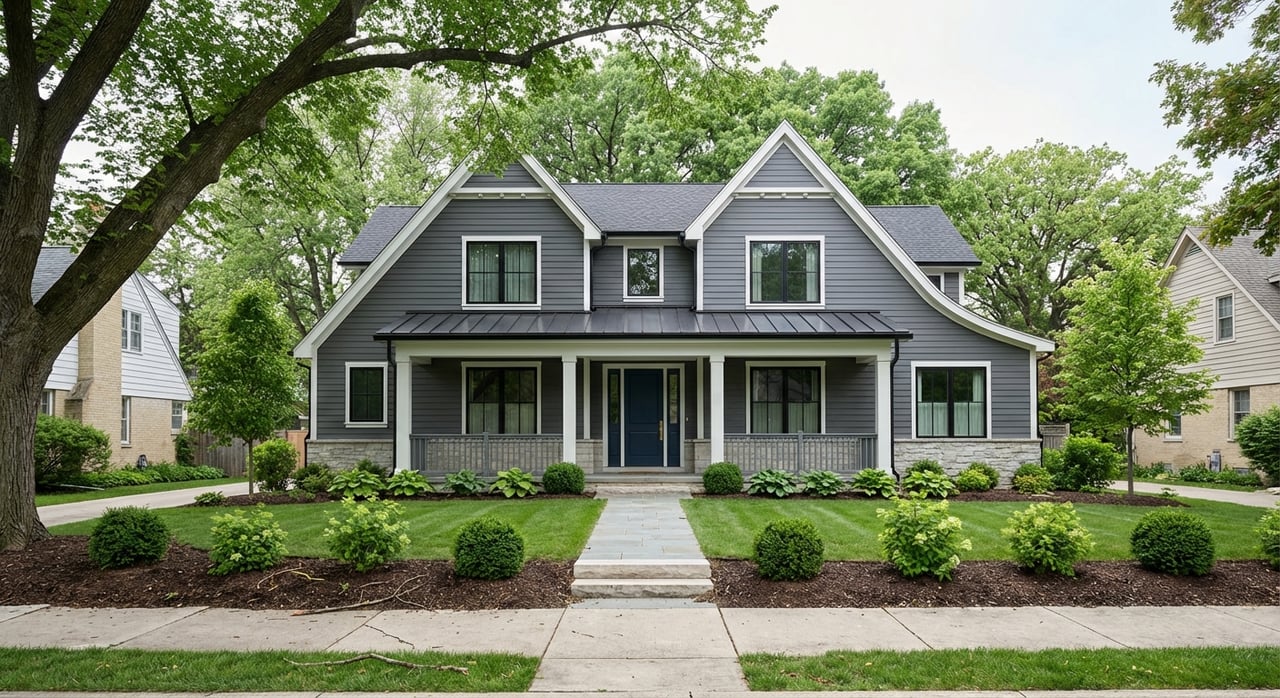
Choosing Your Ideal Elmhurst Neighborhood As A Buyer
Trying to choose the right pocket of Elmhurst can feel overwhelming at first. You have train access, beautiful parks, and a vibrant downtown to weigh against commute time, lot size, and housing style. In this guide, you’ll learn how Elmhurst is organized, what each area feels like, and a quick way to match your needs to the best neighborhoods. Let’s dive in.
Elmhurst is a western Chicago suburb of about 45,700 residents with roughly 16,476 households, according to the city’s economic profile. You’ll find a small-city feel within about 10 square miles, spread across DuPage and Cook counties. The location puts you about 16 miles west of the Loop with direct Metra access and easy driving to major expressways. If you want a community with amenities plus a straightforward commute, Elmhurst checks both boxes.
Elmhurst does not rely on rigid neighborhood borders. Locals tend to think in terms of park anchors, the downtown core, and a few commercial corridors. Use the pockets below to narrow your search based on commute, housing style, and daily life.
If you want a walk-to-everything lifestyle, focus on the blocks around York Street and the Metra station. You can walk to shops, restaurants, library, and seasonal events, with short strolls to Wilder Park and the Elmhurst Art Museum. Housing includes older single-family homes, many with renovations, plus a limited mix of condos and townhomes. This area suits buyers who value short walks, cultural access, and a simple train commute.
The streets around Wilder Park and Elmhurst University form the cultural heart of the city. You’ll find established trees, formal gardens, and the Wilder Park Conservatory beside classic early 20th century homes and bungalows. The Elmhurst Art Museum, including the McCormick House, adds a strong design and culture thread to everyday life. This pocket fits buyers who want park access, an academic vibe, and walkability to cultural venues.
Berens Park is a major draw for active families, thanks to its large fields and The Hub’s seasonal fun. Nearby streets offer mid-century ranches, split-levels, and updated single-family homes on traditional suburban lots. Daily life revolves around quick drives to schools and youth activities, with neighborhood parks sprinkled throughout. If weekend sports and big playgrounds are a must, put this area high on your list.
Along Spring Road, York Road, and St. Charles Road you’ll find commercial nodes, grocery and retail, and adjacent residential pockets. Housing ranges from older single-family homes on closer-in streets to post-war subdivisions and some townhomes or condos on the edges. Buyers who prioritize fast car access to shopping and highways often look here. It is a practical fit if your day-to-day includes frequent errands and regional driving.
Toward the Villa Park and Oak Brook borders, you’ll often see larger lots, convenient highway access, and short car rides to major shopping. The location offers an easy connection to regional employment centers and Oakbrook Center. Housing is a mix of mid-century homes, renovations, and periodic newer infill. If you split time between suburban job hubs and O’Hare, this pocket can simplify the drive.
For downtown commuters, Elmhurst’s Metra stop on the Union Pacific West line is central, with typical rides to the city reported in the 25 to 40 minute range depending on local versus express trains. Pace Route 332 connects along York Road for bus links to regional transit and the O’Hare corridor. Drivers benefit from proximity to I-290 and quick access to I-294 and I-88. Always test your exact commute during peak hours to confirm door-to-door times.
Most of Elmhurst is served by Elmhurst Community Unit School District 205. Be sure to confirm school boundaries for any specific address. Families frequently weigh daily proximity to Wilder Park, Berens Park, the Prairie Path, and neighborhood playgrounds when choosing a home. The mix of cultural anchors, parks, and seasonal downtown events creates a lively, small-city feel.
Use these five filters to match your lifestyle with the right Elmhurst pocket. Circle the choices that matter most, then shortlist neighborhoods that fit two or more of your priorities.
Elmhurst often sits in a higher price band compared with some nearby inner-DuPage suburbs. Because pricing shifts month to month, review the latest comparable sales by pocket and housing type before you write an offer. If you plan to renovate, weigh the surrounding block’s character and recent sales to protect future resale. If you want turnkey convenience, target renovated homes near anchors like downtown or the major parks, where everyday lifestyle appeal can support demand.
With so many good choices, it helps to have a calm, strategic partner who knows the western suburbs block by block. Our boutique team pairs legal precision with creative, media-forward guidance so you can move with confidence. If you are weighing Elmhurst against nearby communities, we will build a side-by-side plan that fits your commute, schools, and lifestyle priorities.
Start a conversation with AFNR Homes to schedule a complimentary market consultation and bespoke listing plan.

AFNR Homes is committed to providing exceptional service and unmatched expertise in the real estate market. Whether you're purchasing, selling, or investing, AFNR Homes stands as your reliable partner for all your real estate requirements. Start working with them today!